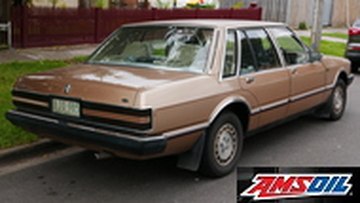
Maintaining Lubrication Standards for the 1982 Ford LTD 5.8L
Proper engine maintenance is a cornerstone of long-term vehicle health, particularly for an engine with the displacement and characteristics of the 5.8L found in the 1982 Ford LTD. Maintaining the correct lubrication environment ensures that internal components operate with minimal friction and that heat is effectively managed during operation. For owners of this vehicle, staying proactive with routine inspections and understanding how to select appropriate fluids can prevent many common mechanical concerns.
Monitoring Fluid Integrity and Potential Leaks
One of the most effective ways to monitor the health of a 5.8L engine is through regular visual inspections for fluid integrity. Over time, various seals and gaskets may undergo changes due to heat cycles and age. It is useful to periodically inspect the area around the engine block and the underside of the vehicle for any signs of seepage or active leakage.
When performing these checks, look for:
- Wetness or oily residue on the surface of the engine components.
- Accumulated grime or dirt that appears "wet," which often indicates a slow seep from a gasket or seal.
- Puddles or spots on the ground beneath where the vehicle is parked.
If you notice changes in the appearance of the oil—such as an unusual color, a strong odor, or a texture that seems significantly different than usual—it warrants further investigation. Such changes can be associated with various factors, including contamination or the presence of other fluids. Addressing small seeps early can prevent more significant issues later.
Observing Engine Performance and Warning Signs
Beyond visual inspections, paying attention to how the vehicle behaves during operation provides critical feedback regarding its lubrication status. While symptoms can have many different causes, certain observations should never be ignored.
An unusual mechanical noise coming from the engine compartment may indicate that lubrication is not reaching specific components effectively. Similarly, if you notice an increase in lubricant consumption—meaning you find yourself needing to add oil more frequently than before—this should be investigated. Changes in exhaust characteristics can also be a sign of internal issues; for example, certain types of smoke may suggest that oil is entering the combustion process.
If any warning lights or indicators related to the engine appear on the dashboard, immediate attention is required. These indicators are designed to alert you to conditions that could lead to mechanical distress if left unaddressed. Always remember that a single symptom does not provide a definitive diagnosis, but it serves as a vital signal to perform a more thorough inspection.
Prioritizing Maintenance Based on Current Condition
For an older vehicle like the 1982 Ford LTD, maintenance strategies are often most effective when they are based on the actual condition of the machine rather than just its age. While following a general service schedule is important, a customized approach can help you manage resources more effectively.
If you have recently acquired the vehicle or if the previous service history is incomplete, establishing a maintenance baseline is a wise first step. This involves performing a comprehensive inspection of all fluids, belts (if equipped), and hoses to determine their current state. Once you understand the starting point of the vehicle's condition, you can prioritize tasks accordingly.
For example, addressing an active leak or replacing a worn belt is generally more urgent than performing cosmetic maintenance. Keeping detailed records of every oil change, filter replacement, and repair performed will help you track trends, such as how quickly certain components are aging or if the engine's lubrication needs are changing over time. This documentation becomes an invaluable tool for making informed decisions about future repairs.
Managing Aging Engine Components
As vehicles age, certain materials naturally become more susceptible to wear and environmental factors. For the 1982 Ford LTD, this means being mindful of components that rely on flexibility or tight tolerances. If equipped, inspect accessible drive belts for signs of cracking, glazing, or fraying. Similarly, if hoses are present in the engine bay, check them for stiffness, bulging, or surface deterioration.
Electrical connections and wiring should also be inspected periodically. Age-related brittleness in insulation or corrosion on connectors can affect how various systems function. By identifying these issues through routine visual checks, you can often address them before they lead to unexpected interruptions in vehicle operation. This proactive stance is much more efficient than reacting to a component failure after it has occurred.
The Role of Clean Lubrication in Engine Health
Engine oil performs several vital roles that are essential for the continued operation of the 5.8L engine. Beyond simply reducing friction between moving parts, the lubricant acts as a medium for heat management, helping to carry thermal energy away from high-temperature areas. It also serves as a cleaning agent, helping to suspend and carry away microscopic particles that could otherwise form deposits or sludge within the engine.
Maintaining the cleanliness of this fluid is paramount. As oil undergoes its service life, it can become contaminated by combustion byproducts or other internal elements. This contamination can eventually affect the oil's ability to protect the engine. Regular changes and the use of high-quality filters help ensure that the lubricant remains effective at preventing deposit buildup and maintaining a protective film on all critical surfaces.
Practical Guidance for Buying Engine Oil for your 1982 Ford LTD 5.8L
When it is time to replenish your engine's lubrication, the most important step is to ensure that the product you select matches the specific requirements of your application. Rather than relying on general assumptions about older engines, always refer to the vehicle-specific oil viscosity and application information provided on this webpage.
When shopping for products, consider the following practical tips:
- Verify the Label: Always check the product packaging to ensure the SAE viscosity matches what is listed in your application information.
- Check Certifications: Look for appropriate API (American Petroleum Institute) certifications on the bottle to ensure the oil meets modern quality and performance standards.
- Evaluate Formulations: Depending on your specific needs, you may choose between conventional, synthetic blend, or full synthetic oils. Some high-mileage formulations also contain additives intended for use in aging engines, including seal-conditioning additives.
- Inspect the Container: Ensure the container is properly sealed and that the product has not been stored in a way that could have compromised its integrity.
By matching your purchase to the specific data provided for your 1982 Ford LTD 5.8L, you ensure that the engine receives the exact type of protection it requires for optimal performance and longevity.